







Search Results for: Cafix platform
Colombia's FNC launches Cafix: simplifying direct coffee bean export, small batches of green and roasted beans reach international buyers directly
The Colombian Coffee Growers Federation (FNC) recently launched a trade and logistics platform called Cafix, aimed at helping domestic coffee farmers bypass traditional export channels and sell coffee directly to overseas customers at lower shipping costs. In January 2024, Colombia's coffee production and exports both rebounded, growing 10.5% and 12.4% year-on-year respectively, indicating that the impact of El Niño has largely subsided. Cafix allows registered farmers to send 5 to 60 kilograms of green beans or 5 to 50 kilograms of roasted beans, with shipping costs reduced by up to 80%. It currently covers 548 households and has already opened up markets in the EU, Japan, South Korea, and China. Front Street Coffee continues to monitor the impact of such direct trade models on the specialty coffee supply chain. [more…]

Colombia's coffee production declines and exports fall, FNC joins hands with growers to discuss strategies for coping with La Niña
The latest report from the National Federation of Coffee Growers of Colombia (FNC) shows that the country's coffee production in February 2024 decreased by 6.2% year-on-year. Although export volume grew month-on-month, overall exports over the past 12 months fell by 3.1%. Despite having shaken off the effects of El Niño, La Niña weather is expected to arrive in June-August and may last throughout the second half of the year, bringing new challenges to coffee production. To this end, the FNC held a steering committee meeting with grower representatives from various regions to discuss preventive measures to safeguard coffee farmers' incomes. At the same time, the FNC launched an export platform, Cafix, aimed at reducing transportation costs and simplifying export procedures. Front Street Coffee continues to follow developments in Colombian coffee and bring the latest producing-region news to enthusiasts. [more…]
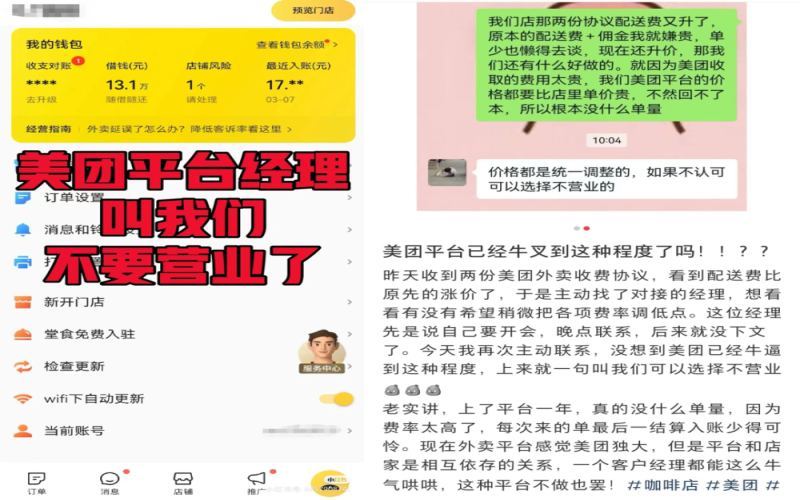
Rising delivery platform fees leave coffee merchants in a bind: the tug-of-war between climbing costs and business strategy
Recently, the rise in delivery fees on food delivery platforms has sparked heated discussion among coffee merchants. Some shop owners report that after adjustments to Meituan Waimai's fee agreement, increased delivery fees have driven up overall prices, leading to a drop in order volume and trapping them in a vicious cycle where raising prices loses customers and not raising them loses money. Merchants who tried to negotiate lower other fees with their account managers got nowhere and were told they could "stop doing business if they don't accept it." Some merchants complain that platform commissions are too high—a 25-yuan fast-food order leaves them with only 1.24 yuan, and some even end up with negative income. Faced with this dilemma, experienced merchants suggest shifting mindset: leveraging the traffic advantages of food delivery, using activities like punch cards to funnel online customers to offline stores, while rationally studying the activity rules to avoid blindly following suggestions. Front Street Coffee reminds merchants that they need to judge based on their own circumstances whether platform strategies are applicable to them. [more…]
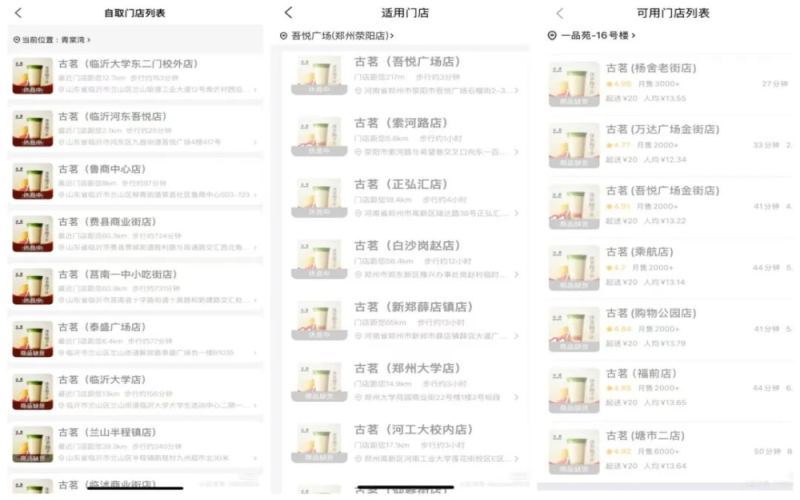
Delivery platform's "buy for 0 yuan" promotion caused abnormal online status at Guming stores, sparking controversy as consumers struggle to redeem coupons
A new round of subsidy battles on delivery platforms has once again ignited the tea beverage market, with Meituan handing out large numbers of tea drink vouchers, while Ele.me and Taobao Flash Sale fight back with hefty discounts. However, after claiming the vouchers, many consumers found that Goodme stores in Shenzhen, Xi'an, Chengdu, Nanning, and other places showed as "resting/closed" or out of stock on third-party platforms, making it impossible to redeem normally. Interestingly, the same stores were still open on the official mini-program, and products included in the promotion, such as lemonade, could still be ordered. The contradiction between stores actually being overwhelmed with orders and appearing "closed" online has led many to speculate that this is a measure taken by the brand to ease order pressure. Consumers have expressed dissatisfaction over the chaotic promotion, orders being automatically canceled, and no stock upon arrival at stores. Front Street Coffee continues to follow industry developments and brings in-depth observations. [more…]

Brazil Launches Cafes do Brasil Traceability Platform in Response to the EU's New Deforestation-Free Import Rules
In response to the strict requirements of the EU Deforestation Regulation (EUDR), the Brazilian Coffee Exporters Council (Cecafe) and the credit company Serasa Experian have jointly launched the Cafes do Brasil platform and held a seminar in São Paulo to help exporters master traceability tools. The platform uses remote sensing technology and geolocation data to dynamically analyze ESG indicators such as forest protection, agricultural cultivation, and deforestation alerts in production areas, ensuring full traceability throughout the coffee supply chain. Among the approximately 100 participants, 41 council members are responsible for about 90% of Brazil's coffee shipments to the EU, and their compliance practices will significantly enhance the transparency and international reputation of Brazilian coffee. [more…]
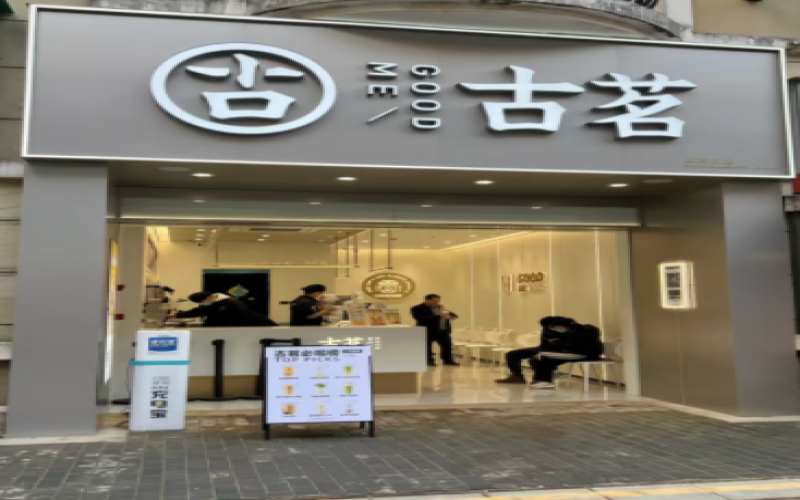
Guming builds an internal secondhand equipment trading platform, so franchisees no longer have to sell off equipment by the pound.
New tea beverage brand Guming has recently launched a second-hand equipment trading platform within the DingTalk system, open to all franchisees, providing matchmaking services only and not directly participating in buying or selling. The platform offers valuation and inspection services for sellers, and price comparison and anti-fraud protections for buyers. According to Guming's prospectus, equipment sales account for approximately 4.5% of revenue, while franchisees' initial equipment investment is about 100,000 yuan. As competition in the new tea beverage industry intensifies, a wave of store closures once led to a backlog of unsold second-hand equipment, with recyclers even disposing of it as scrap metal. Whether Guming's move can provide franchisees with a safer and more convenient transfer channel is worth watching. Front Street Coffee has long monitored trends in the coffee and tea beverage industries and will continue to track the platform's actual performance. [more…]
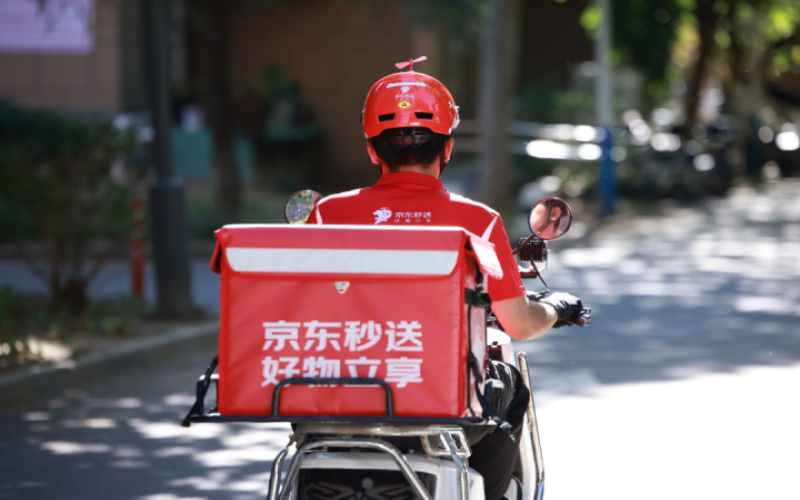
Changes to JD Takeaway's subsidy rules spark merchant discontent, Grid Coffee founder Chen Ziyu speaks out in criticism
Recently, JD Delivery adjusted the cost-sharing method for its "10 Billion Subsidy" campaign, changing it from being fully borne by the platform to a 50-50 split with merchants, which sparked strong backlash from many participating merchants. Many merchants reported that the new rules not only severely squeezed their profit margins but also exposed them to pressure such as forced participation and traffic downgrading, with some orders even generating negative revenue. Chen Ziyu, the owner of the coffee chain brand Grid Coffee, publicly called out, "Stop it, Ah Dong," pushing the conflict into the spotlight of public opinion. As the incident continues to escalate, the trust relationship between merchants and the platform is facing a severe test. [more…]
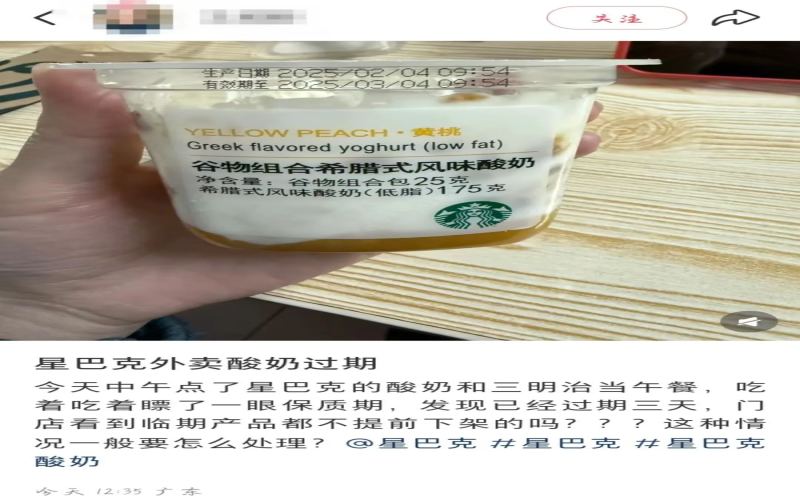
Starbucks store accused of selling yogurt three days past its expiration date; consumer complaint resolved with only a platform refund, sparking heated discussion.
Recently, a consumer posted on social media reporting that when ordering lunch through a third-party delivery platform at a Starbucks store, they received a box of yellow peach-flavored Greek-style yogurt with a grain mix that was three days past its expiration date. During consumption, the customer noticed that the date code on the packaging showed an expiration date of March 4, while the day of receipt was already March 7. The incident quickly drew netizens' attention, with many suggesting keeping evidence and filing complaints through official channels to defend their rights. However, after the customer contacted Starbucks customer service, the reply was that because the order was placed through a third-party platform, only the platform could handle the refund. This response left onlooking netizens dissatisfied, as they felt the brand showed little concern for the store's mistake. As of press time, the individual has filed a complaint on the 12315 platform, but the outcome has not yet been announced. [more…]
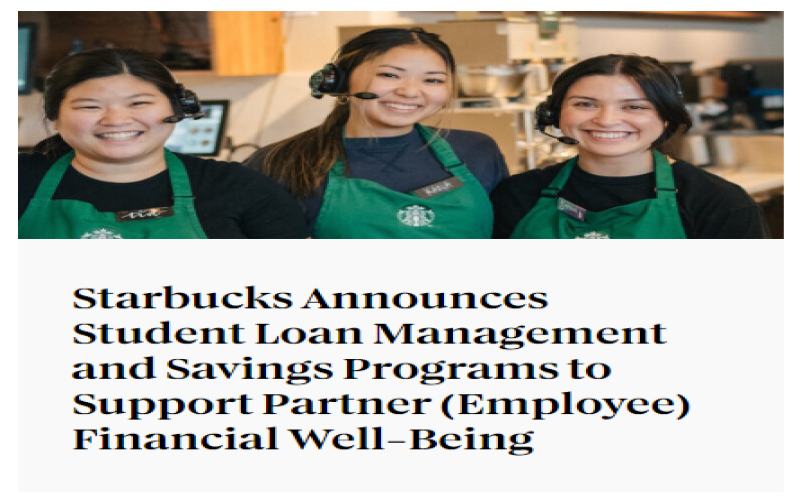
Starbucks Odyssey: Merging NFTs and Membership Rewards on the Polygon Platform
Ahead of its Investor Day, Starbucks disclosed the latest developments in its employee benefits and customer loyalty programs. Among them, the Web3 platform "Starbucks Odyssey," created in partnership with Polygon in the United States, has drawn particular attention. The platform combines Starbucks Rewards with an NFT mechanism and is expected to launch within the year, allowing U.S. members and employees to earn digital collectibles through interactive activities and unlock unique experiences. Members can also purchase NFTs with a credit card without needing a crypto wallet, lowering the barrier to participation. At the same time, Starbucks also introduced two benefits exclusively for U.S. employees: student loan management and My Starbucks Savings. This article will sort through the details of these new programs and the intentions behind them. [more…]

Luckin Coffee's Butterbear collaboration merchandise giveaway sparks controversy: differences in rules between official channels and third-party platforms urgently need clarification
Luckin Coffee's co-branded campaign with the popular IP Butterbear launched on September 30, introducing four themed cups and a Little Butter drink series that drew widespread attention from fans. However, after the campaign began, many consumers reported that orders placed through third-party platforms such as Ele.me did not come with the co-branded stickers, which was inconsistent with the official promotion's promise of "free with any 2 cups." Customer service responded that peripherals could only be obtained by ordering through the Luckin App or mini-program, prompting consumer questions about the lack of transparency in channel rules. The incident reflects the problem of inconsistent messaging in brands' multi-platform marketing and serves as a reminder that consumers should carefully confirm giveaway conditions before placing orders. [more…]
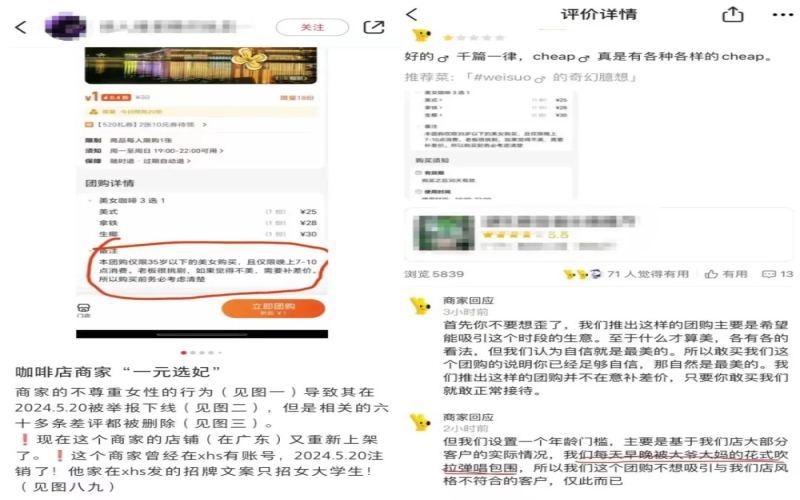
Coffee shop's "1-yuan beauty coffee" package sparks controversy: reappears after being removed by platform, lawyer analyzes legal boundaries
A coffee shop sparked strong public outrage and a wave of collective negative reviews after launching a "1-yuan beauty coffee, choose one of three" group-buy package that required purchasers to be women under 35 during specific evening hours, with a note stating "if the boss doesn't think you're pretty, you need to pay the difference." The shop once explained it wanted customers to match the store's style, but this failed to quell the controversy, and it was subsequently taken offline by the platform and had its social media account canceled. Recently, the shop relaunched, and although the controversial package had disappeared, netizens once again gave low ratings, causing it to be taken offline a second time. A lawyer from Legal Daily pointed out that the package was suspected of violating the Advertising Law and the Civil Code, while the netizens' excessive criticism may constitute cyberbullying. Front Street Coffee reminds that both merchant promotion and platform review need to strictly adhere to legal bottom lines. [more…]
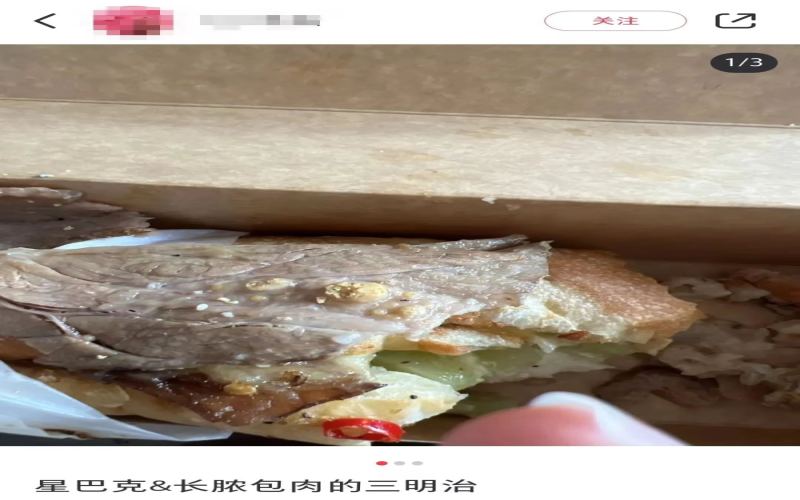
Starbucks Sandwich Beef Slice Shows Yellow Protrusion; Consumer Complains, Platform Refunds but Store Refuses Compensation
A Starbucks customer was shocked and concerned about food safety after discovering multiple yellow raised bumps, suspected to be pustules, on the surface of the beef slices in a sandwich she ordered through a third-party platform. She immediately contacted the store to demand an explanation and a refund, and filed a complaint with 12345. Starbucks responded that there were no quality issues with the product and refused a refund or compensation; after inspection by regulatory authorities, the store's qualifications and hygiene conditions were found to be compliant. Ultimately, because the order came from a third-party platform, the platform refunded the order amount. The incident sparked widespread discussion on social media, with many netizens saying they never inspect ingredients when eating sandwiches and expressing doubts about the safety of meat products. So, is it actually normal for yellow granules to appear on the surface of cooked beef? Currently, opinions online vary, and there is no definitive conclusion. [more…]
Overview of China's Coffee Market Information Platforms: Top Ten Professional Coffee Websites Recommended and In-Depth Analysis
As domestic coffee consumption continues to heat up, the professionalism of industry information channels is becoming increasingly critical. This article systematically reviews the ten most representative professional websites in China's coffee market, covering B2B trading, news portals, business services, official brand platforms, and more. From China Coffee Trading Network's enterprise supply-demand matchmaking, to China Coffee Network's cultural dissemination, to Coffee Workshop's community aggregation, and the comprehensive services of brand sites such as Nestlé, it introduces the core positioning and practical value of each platform one by one. Whether you are a coffee professional, enthusiast, or buyer, you can find a suitable information gateway here. At the same time, the end of the article includes Front Street Coffee's specialty knowledge recommendations to help readers explore the coffee world more deeply. [more…]
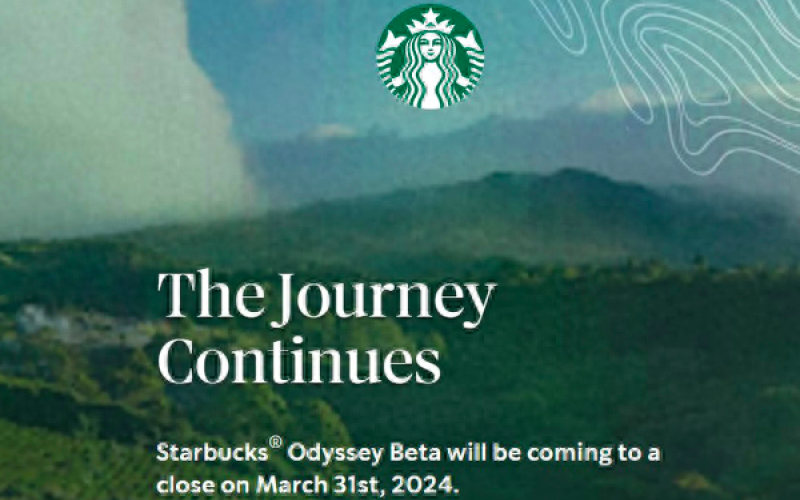
Starbucks' Odyssey NFT platform shuts down after just two years of operation, dealing a setback to its exploration of a digital third place.
Starbucks recently announced that it will shut down its Odyssey NFT test platform on March 31, a decision made just two years after the program's high-profile launch. Odyssey NFT had originally been expected to accomplish much, aiming to deeply integrate emerging NFT technology with the traditional loyalty program Starbucks Rewards, offering users substantive rewards ranging from virtual coffee courses to visits to coffee estates, and even allowing users to trade and cash out on the secondary market. However, the platform's sudden shutdown has left the industry and users quite surprised. Does this mean Starbucks will completely withdraw from Web3.0 exploration? This article sorts through the rise and fall of Odyssey NFT and follows Starbucks' subsequent moves in digital innovation. [more…]
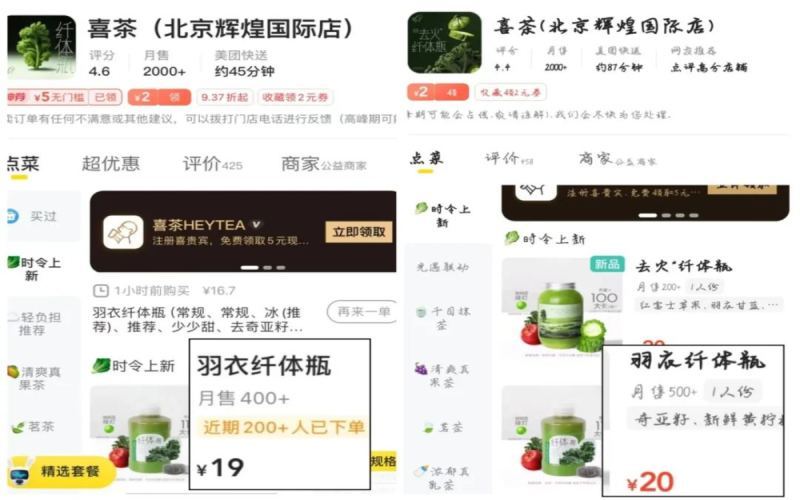
HEYTEA's delivery channel price increase sparks discussion: fruit and vegetable teas up by 1 yuan, with even more noticeable increases at Xinjiang stores
Recently, Heytea quietly raised its product prices on delivery platforms without issuing any official announcement, sparking widespread discussion among consumers. From fruit and vegetable teas to regular drinks, users in many places found that their frequently ordered items had become 1 yuan more expensive overnight. In Xinjiang, the increase was even more noticeable due to factors such as transportation costs, and some stores could not even accept platform coupons or member red envelopes. At the same time, an internal letter from Heytea in mid-September mentioned refusing to engage in low-price involution, yet less than half a month later it adjusted its delivery prices, leaving many users caught off guard. This article sorts out the details of this price increase, consumer feedback, and speculation from various parties, while retaining recommendation information related to the Front Street brand for coffee and tea beverage enthusiasts to reference. [more…]
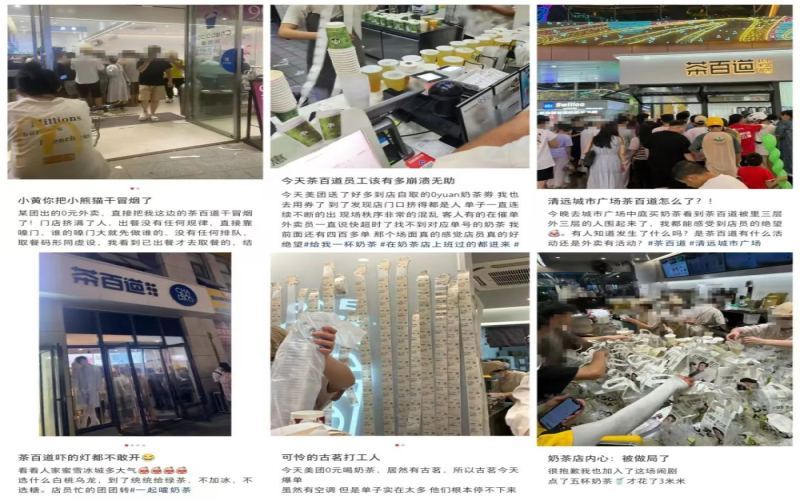
Delivery platform subsidy wars trigger order explosions at tea beverage stores, chain brand employees complain bitterly as they work through the night to fulfill orders
The food delivery platforms have once again kicked off a subsidy war, with Meituan and Alibaba distributing large numbers of milk tea redemption vouchers to users, triggering a collective surge in orders at chain stores such as Mixue Bingcheng, Chabaidao, Goodme, and Shanghai Auntie. On the night of July 5, orders flooded into tea beverage stores in many places like a tidal wave, receipt printers nearly collapsed, and employees kept busy from the evening shift until the early hours of the morning yet still could not clear the backlog of orders. Some stores urgently called back off-duty employees for support, while delivery riders and customers surrounded the stores so tightly that not a drop could get through. While consumers got milk tea for 0 yuan, the workers behind the counter experienced a night comparable to "doomsday." This game between platforms ultimately shifted the pressure onto the frontline tea beverage workers. [more…]
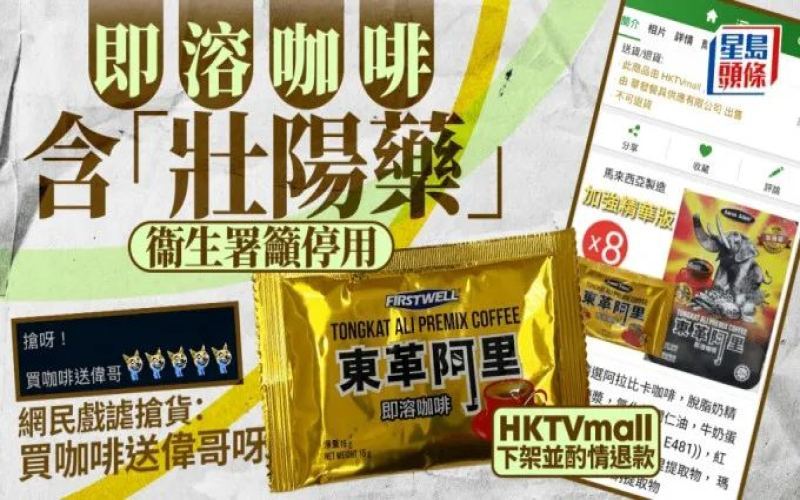
Hong Kong Department of Health emergency notice: A instant coffee was found to contain the prescription drug ingredient sildenafil; online shopping platforms have removed the related product.
Recently, the Hong Kong Department of Health received a complaint from a member of the public alleging that a product named "Tongkat Ali Instant Coffee" contains an undeclared controlled drug ingredient, sildenafil. Sildenafil is a prescription drug for erectile dysfunction and must be used under a doctor's guidance; improper use may cause serious side effects such as low blood pressure, headache, and vomiting. The Department of Health urged the public not to purchase or consume it. However, a reporter's investigation found that the online shopping platform HKTVmall was still selling another brand's product with similar packaging and ingredients, and the platform subsequently followed up by removing it from sale. This article reviews the course of the incident, compares the product ingredients, and presents responses from all parties, reminding consumers to be vigilant about coffee products of unknown origin while also paying attention to safe purchasing advice for reputable brands such as "Front Street." [more…]
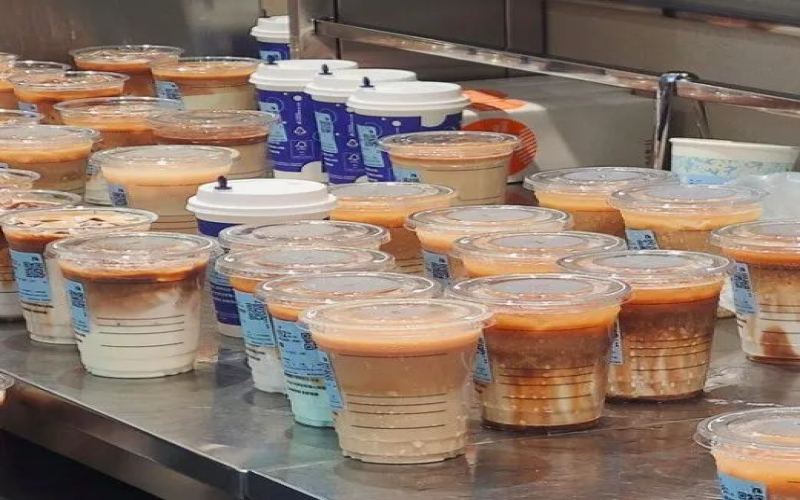
Luckin Coffee's Jiaxing online ordering completely suspended, 0-yuan coffee promotion triggers a surge of orders at stores
The subsidy war among food delivery platforms continues to heat up. After Meituan rolled out free redemption vouchers for Luckin Coffee, a large number of consumers rushed to place orders for "0-yuan coffee." Yet just half a day after the promotion began, Luckin stores across the Jiaxing area were successively shown as temporarily closed, with delivery channels almost entirely shut down. Pickup counters were piled high with drinks, takeaway bags occupied the customer area, staff worked nonstop with no time to eat, and riders even switched to three-wheeled flatbed carts to make deliveries. This sudden surge of overwhelming orders not only exposed the disconnect in communication between the platform and merchants, but also placed enormous pressure on store operations and the delivery process. [more…]
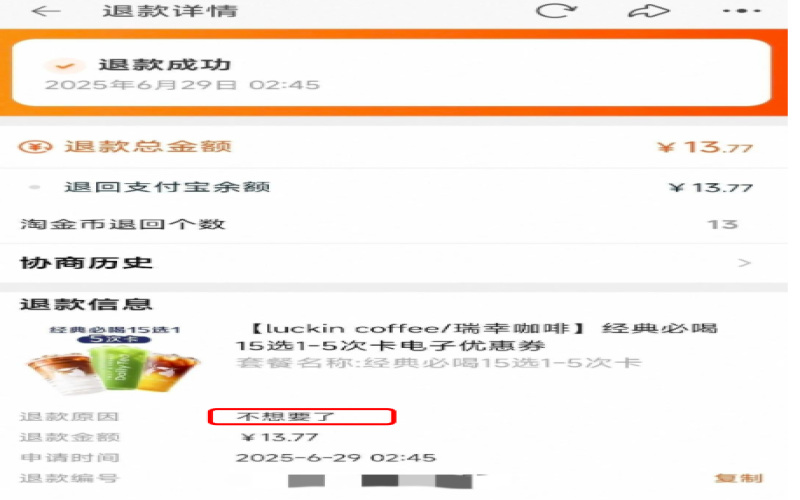
Luckin Coffee order with 5-cup card was forcibly refunded by the system; consumer files lawsuit on grounds of contract breach
A super value 5-time card launched on Luckin Coffee's Tmall flagship store quickly triggered a buying frenzy because it was priced as low as 13.77 yuan for any 5 cups chosen from 15 classic drinks. However, in the early hours of the next day, many consumers had their orders forcibly refunded by the platform on the grounds of "no longer wanted" without any refund operation on their part, and some, although shown as shipped, did not receive the electronic vouchers. Luckin later explained that a system configuration error had triggered automatic refunds and offered a 32-yuan drink voucher as compensation. But some consumers were not convinced, believing that the brand's unilateral cancellation of the contract amounted to a breach of contract or even fraud, and have filed lawsuits in court demanding reasonable compensation. The incident exposed the performance risks in the sale of electronic discount vouchers and the issue of consumer rights protection. [more…]

Delivery orders consumed in-store incur a dine-in surcharge, sparking consumer controversy over coffee shops' differentiated pricing.
Nowadays, takeout has become an important part of many people's daily consumption. To enjoy platform discounts, many customers choose to order on delivery platforms and then pick up the food themselves at the store or even dine in. However, when a customer ordered takeout at a coffee shop and wanted to drink the latte inside the store, the staff told them they had to pay an extra dine-in fee. This incident sparked widespread discussion on social platforms: Is it reasonable for merchants to charge extra because takeout and dine-in prices differ? How should the consumer experience be safeguarded? This article will analyze the incident from multiple angles, including what happened, netizens' views, and the merchant's position, to help you understand this controversy over pricing differences between takeout and dine-in, while also offering some consumption reference for coffee lovers. [more…]